Akaalo · Uganda · Offline AI
Technology for the places the internet forgot.
Akaalo builds offline technology for education, designed for environments where connectivity, hardware and power cannot be assumed.
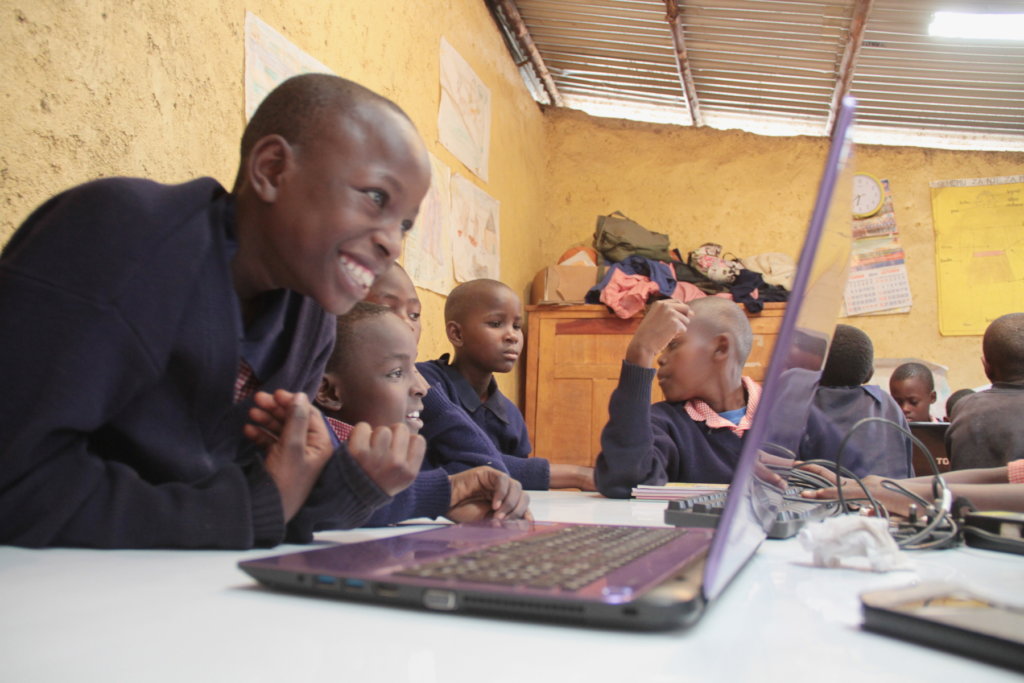 Nansana, Uganda · 2026
§ 01 · The proposition
Most AI assumes the internet.
Nambi is designed around the opposite assumption: that the connection will not be there, that the hardware is modest, and that the room may lose power. The model runs on the device itself. Nothing depends on the cloud.

§ 02 · The product
Nambi
An AI tutor that does not need a Wi-Fi connection.
Runs locally
A custom model, fine-tuned from Qwen, runs on the device: no API, no subscription, no data cost.
Built for constrained hardware
Designed around low-cost 3 GB Android tablets rather than cloud infrastructure.
Designed for classrooms
Learning, interaction and progress continue without an internet connection.
§ 03 · The environment
The infrastructure matters.
Technology cannot be separated from the conditions around it: connectivity, power, hardware, teacher time, language, cost and maintenance. Akaalo starts from those conditions rather than assuming them away.

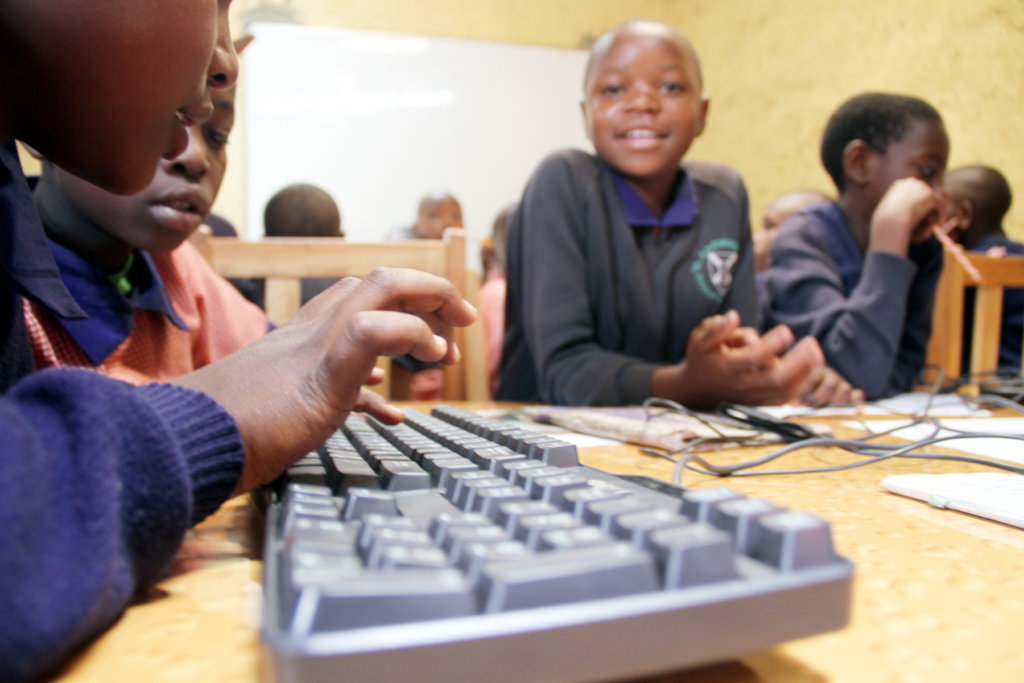
Photography from the pilot programme. Current images show laptops; new tablet photography is pending.
§ 04
What we know so far.
The pilot runs at Nurture Africa Vocational Training Centre, Nansana, Uganda. Session logs, quiz results and attendance are recorded on-device and exported for reporting. Full methodology and outcome data are shared with funders and research partners on request.
§ 05 · The learner
Start with the learner.
The pilot teaches the practical digital skills employers actually ask for, not a feature list. Students learn by doing, in conversation with the tutor, at their own pace.
§ 06
What happens when the infrastructure changes?
Nambi is not presented as a finished answer. It is an experiment in offline computing, adaptive learning, local-language technology and low-cost hardware, carried out in real African learning environments.
§ 07
The road ahead.
In the classroom
Nambi in Ugandan classrooms. 154 students, one full programme cycle.
Wider reach
More learners, more subjects, more environments.
Open questions
Local-language models, learning data, offline AI, adaptive systems.
Unknown
We do not pretend to know the final form. We document what we learn.
§ 08 · Work with us
Four ways in.
§ 09
Support the work.
$1.30 trains a student for a full term. Contributions fund devices, curriculum and local delivery for the next classroom.
You complete payment on Stripe or PayPal. Nothing is charged on akaalo.com.





Akaalo Ltd, registered in Uganda (2023) and Ireland (2025).
§ 10
Get in touch.
Whether you are a funder, researcher, school or hardware partner, we would like to hear from you.